Pierre Robert didn’t just play the music — he made us believe in each other.
Kevin McElroy
Editor, Tune Up Magazine
Pierre Robert died today. To say it was a shock would be an understatement.
And for Philadelphia, it feels like the city lost its heart. Not a celebrity. Not just a voice. But a presence — a living, breathing human current that reminded us that joy, art, and connection still matter.
Pierre wasn’t just a DJ. He was our DJ.
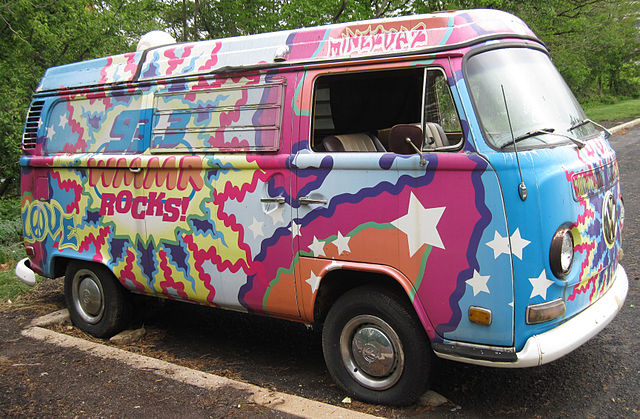
He rolled into Philly in that 1972 VW Westfalia bus named Minerva — a rolling symbol of peace, love, and persistence — and somehow, this rough-edged city of brotherly love embraced him right back. He didn’t just survive Philly; he won it over, one laugh, one song, one heartfelt “Greetings, Citizen” at a time.
He found his home on 93.3 WMMR, joining the station in 1981 and staying for more than forty years. For generation after generation, WMMR wasn’t just where he worked — it was where Philadelphia tuned in to feel connected, comforted, and inspired.
Greetings, Citizen
(because that’s how he made us all feel — seen, welcome, and part of something)
That phrase — “good citizen” — wasn’t a gimmick. It was a mission statement. Pierre believed in people. He believed in kindness, connection, and the idea that we could be better — and that music, in the right hands, could make that happen.
He stood for something. You knew the bands he loved: The Grateful Dead, The Offspring, Van Halen — especially David Lee Roth. Even if you didn’t share his tastes, you found yourself caring because he cared. That’s what great DJs do. They make you see music through their eyes until it becomes part of your story, too.
“He addressed us as good citizens. Maybe it was a joke. Maybe it was a prayer. But he said it enough that, after a while, we started trying to live up to it.”
A Lifetime on the Airwaves
Pierre’s impact went far beyond the songs he spun.
Beasley Media Group called him “a true radio icon,” and he was exactly that. From his legendary Workforce Blocks to his Vinyl Cut, his artist interviews, and those in-studio performances that felt like church for rock fans, Pierre wasn’t just hosting a show — he was building community.
He showed up. For four decades, he gave himself to this city.
He lent his voice to causes like the AIDS Walk and Manna’s Pie in the Sky fundraiser, and he treated every person — from backstage VIPs to first-time callers — like a friend. It’s no wonder his name is immortalized on the Philadelphia Music Alliance Walk of Fame.
Minerva and the Magic of Music
His bus, Minerva, was more than a ride — it was a relic of belief. A reminder that slowing down, talking to strangers, and playing great music were still noble pursuits.
But truthfully, we all had a Minerva. Ours just existed in our minds. Because when Pierre played a song — whether it was Van Halen, The Dead, or some deep cut from the MMaRchives — it wasn’t just music.
It was time travel.
For three or four minutes, you could leave wherever you were and go somewhere else entirely. Somewhere that felt better. Kinder. Louder. Free.
That’s what music does when the right person shares it. It moves you, but it also moves through you. Pierre knew that better than anyone.
The Through Line
Pierre was more than a voice on the air — he was the through line.
Decades came and went, trends rose and fell, but Pierre somehow blended it all together. He could go from The Dead to The Offspring to Foo Fighters without it feeling like whiplash — because he was the constant. His warmth was the glue that made it all make sense.
While other stations chased formats, Pierre created continuity. He reminded us that rock wasn’t a decade or a demographic — it was a spirit. And through every sonic shift — punk, grunge, alternative, metal, and whatever came next — he stayed the same: curious, open, and joyful.
He made change feel comfortable.
He made time feel seamless.
He was the thread that stitched forty years of Philadelphia’s soundtrack into one long, living mixtape.
Do You Have a DJ?
A few years back, I was driving my daughter home from practice late one night. Pierre’s voice came on during a WMMR spot — that warm, unmistakable tone cutting through the static of a long day.
I asked her, “Do you have a DJ?”
She looked puzzled. “What do you mean?”
I told her that the guy on the radio — Pierre — had been part of my life for over thirty years. He’d soundtracked my drive to work, to college, to hospitals, you name it. He’d seen me through good years and bad ones. He was the constant voice when everything else changed.
She thought about it for a second, then said quietly, “No… we don’t really have that.”
That was a heartbreaker. Because that’s what we’re losing — connection.
A world without DJs, without filters, is just noise. Playlists without purpose. Streams without soul. Algorithms that never say your name or remind you to be a good citizen.
Pierre was the antidote to that. He was the cheerleader, the counselor, the comic relief, and the companion. Maybe for some people, he was the only friendly voice they heard all day at work. Maybe for others, he was the reason a song hit harder or a bad day got lighter.
Radio used to mean something — and with Pierre, it still did.
He was proof that one person, armed with nothing but a microphone and love for music, could make an entire city feel connected.
A Warning and a Reminder
Pierre’s passing isn’t just a personal loss — it’s a warning.
If we don’t protect radio, if we don’t protect the human element in music, we lose something sacred.
You want to honor Pierre?
Then believe in the power of music again.
Believe in the people who live to share it.
Believe in passion over polish, heart over hype, joy over metrics.
Radio, in its purest form, isn’t about clicks or formats. It’s about connection.
It’s about that invisible thread from speaker to soul that only a real person can pull.
Pierre understood that. He was that.
He made Philadelphia better by simply being himself — goofy, late, cluttered, authentic, and full of love.
And for forty years, he showed us that the world doesn’t just need music — it needs people who believe in it.
Through it all, WMMR was the stage that amplified that belief. It wasn’t just a station number — it was a gathering place. The pulse of a city in love with rock and roll, held together by one man’s voice and the music he shared.
Keep the Dial Human
So be a good citizen.
Love your city.
Love your music.
And remember Pierre.
Maybe somewhere out there, Minerva’s parked on a cloud with a killer view and a radio signal that never fades.
And if you listen close, maybe you’ll still hear it — that laugh, that warmth, that voice reminding us: “Greetings, Citizen… and keep the dial human.”
Editor’s Note
Pierre’s passing reminds us that real DJs aren’t relics — they’re lifelines.
The music matters, but the people who carry it to us matter even more.
If we let algorithms take that away, we’re not just losing sound — we’re losing soul.
 play_arrow


Culture
The City of Brotherly Love Has Lost Its Brother
todayOctober 29, 2025 113 5
Pierre Robert didn’t just play the music — he made us believe in each other.
Kevin McElroy
Editor, Tune Up Magazine
Pierre Robert died today. To say it was a shock would be an understatement.
And for Philadelphia, it feels like the city lost its heart. Not a celebrity. Not just a voice. But a presence — a living, breathing human current that reminded us that joy, art, and connection still matter.
Pierre wasn’t just a DJ. He was our DJ.
He rolled into Philly in that 1972 VW Westfalia bus named Minerva — a rolling symbol of peace, love, and persistence — and somehow, this rough-edged city of brotherly love embraced him right back. He didn’t just survive Philly; he won it over, one laugh, one song, one heartfelt “Greetings, Citizen” at a time.
He found his home on 93.3 WMMR, joining the station in 1981 and staying for more than forty years. For generation after generation, WMMR wasn’t just where he worked — it was where Philadelphia tuned in to feel connected, comforted, and inspired.
Greetings, Citizen
(because that’s how he made us all feel — seen, welcome, and part of something)
That phrase — “good citizen” — wasn’t a gimmick. It was a mission statement. Pierre believed in people. He believed in kindness, connection, and the idea that we could be better — and that music, in the right hands, could make that happen.
He stood for something. You knew the bands he loved: The Grateful Dead, The Offspring, Van Halen — especially David Lee Roth. Even if you didn’t share his tastes, you found yourself caring because he cared. That’s what great DJs do. They make you see music through their eyes until it becomes part of your story, too.
“He addressed us as good citizens. Maybe it was a joke. Maybe it was a prayer. But he said it enough that, after a while, we started trying to live up to it.”
A Lifetime on the Airwaves
Pierre’s impact went far beyond the songs he spun.
Beasley Media Group called him “a true radio icon,” and he was exactly that. From his legendary Workforce Blocks to his Vinyl Cut, his artist interviews, and those in-studio performances that felt like church for rock fans, Pierre wasn’t just hosting a show — he was building community.
He showed up. For four decades, he gave himself to this city.
He lent his voice to causes like the AIDS Walk and Manna’s Pie in the Sky fundraiser, and he treated every person — from backstage VIPs to first-time callers — like a friend. It’s no wonder his name is immortalized on the Philadelphia Music Alliance Walk of Fame.
Minerva and the Magic of Music
His bus, Minerva, was more than a ride — it was a relic of belief. A reminder that slowing down, talking to strangers, and playing great music were still noble pursuits.
But truthfully, we all had a Minerva. Ours just existed in our minds. Because when Pierre played a song — whether it was Van Halen, The Dead, or some deep cut from the MMaRchives — it wasn’t just music.
It was time travel.
For three or four minutes, you could leave wherever you were and go somewhere else entirely. Somewhere that felt better. Kinder. Louder. Free.
That’s what music does when the right person shares it. It moves you, but it also moves through you. Pierre knew that better than anyone.
The Through Line
Pierre was more than a voice on the air — he was the through line.
Decades came and went, trends rose and fell, but Pierre somehow blended it all together. He could go from The Dead to The Offspring to Foo Fighters without it feeling like whiplash — because he was the constant. His warmth was the glue that made it all make sense.
While other stations chased formats, Pierre created continuity. He reminded us that rock wasn’t a decade or a demographic — it was a spirit. And through every sonic shift — punk, grunge, alternative, metal, and whatever came next — he stayed the same: curious, open, and joyful.
He made change feel comfortable.
He made time feel seamless.
He was the thread that stitched forty years of Philadelphia’s soundtrack into one long, living mixtape.
Do You Have a DJ?
A few years back, I was driving my daughter home from practice late one night. Pierre’s voice came on during a WMMR spot — that warm, unmistakable tone cutting through the static of a long day.
I asked her, “Do you have a DJ?”
She looked puzzled. “What do you mean?”
I told her that the guy on the radio — Pierre — had been part of my life for over thirty years. He’d soundtracked my drive to work, to college, to hospitals, you name it. He’d seen me through good years and bad ones. He was the constant voice when everything else changed.
She thought about it for a second, then said quietly, “No… we don’t really have that.”
That was a heartbreaker. Because that’s what we’re losing — connection.
A world without DJs, without filters, is just noise. Playlists without purpose. Streams without soul. Algorithms that never say your name or remind you to be a good citizen.
Pierre was the antidote to that. He was the cheerleader, the counselor, the comic relief, and the companion. Maybe for some people, he was the only friendly voice they heard all day at work. Maybe for others, he was the reason a song hit harder or a bad day got lighter.
Radio used to mean something — and with Pierre, it still did.
He was proof that one person, armed with nothing but a microphone and love for music, could make an entire city feel connected.
A Warning and a Reminder
Pierre’s passing isn’t just a personal loss — it’s a warning.
If we don’t protect radio, if we don’t protect the human element in music, we lose something sacred.
You want to honor Pierre?
Then believe in the power of music again.
Believe in the people who live to share it.
Believe in passion over polish, heart over hype, joy over metrics.
Radio, in its purest form, isn’t about clicks or formats. It’s about connection.
It’s about that invisible thread from speaker to soul that only a real person can pull.
Pierre understood that. He was that.
He made Philadelphia better by simply being himself — goofy, late, cluttered, authentic, and full of love.
And for forty years, he showed us that the world doesn’t just need music — it needs people who believe in it.
Through it all, WMMR was the stage that amplified that belief. It wasn’t just a station number — it was a gathering place. The pulse of a city in love with rock and roll, held together by one man’s voice and the music he shared.
Keep the Dial Human
So be a good citizen.
Love your city.
Love your music.
And remember Pierre.
Maybe somewhere out there, Minerva’s parked on a cloud with a killer view and a radio signal that never fades.
And if you listen close, maybe you’ll still hear it — that laugh, that warmth, that voice reminding us: “Greetings, Citizen… and keep the dial human.”
Editor’s Note
Pierre’s passing reminds us that real DJs aren’t relics — they’re lifelines.
The music matters, but the people who carry it to us matter even more.
If we let algorithms take that away, we’re not just losing sound — we’re losing soul.
Written by: Tune Up Webmaster
Andre Gardner Beasley Media Group Bubba John Stevens classic rock Classic Rock DJ DJ Memorial FM radio Good Citizen Hy Lit Jaxon Jerry Blavat Keep the Dial Human Kevin McElroy Legacy of Radio Local Radio Heroes Minerva Music and Culture music commentary music journalism Philadelphia Culture Philadelphia Music Alliance Walk of Fame Philadelphia music scene Philadelphia Radio Philadelphia Story Philly rock Pierre Robert Pierre Robert Tribute Radio Connection Radio DJ Radio History Radio Legends Radio Personality Radio Tribute Ray Koob Remembering Pierre Robert Rock and Roll Spirit Rock Radio The Grateful Dead The Offspring Tune Up Magazine Van Halen VW Westfalia WMMR
Similar posts
Feature
New Music on WTYU.rocks this Week
todayJanuary 28, 2026 12
Feature
Def Leppard Rejoice New Single Ahead of Vegas Residency
todayJanuary 23, 2026 12
Recent Posts
Recent Comments
Featured post
Reviews
10,000 Maniacs Celebrate 40th Anniversary Tour at The Keswick Theatre
todayJune 5, 2025 300 14
Latest posts
New Music on WTYU.rocks this Week
Def Leppard Rejoice New Single Ahead of Vegas Residency
How to Get Enough Sunlight During Winter (and Why It Matters More Than You Think)
Rush’s ‘Grace Under Pressure’ 40th Anniversary Vinyl Box Set Arrives March 13
Bret Michaels Addresses Poison Rockett Anniversary Tour Questions
Current show
General Rotation
WTYU Afternoons
2:00 pm - 7:00 pm
Upcoming shows
WTYU Nights
11:00 pm - 12:00 am
Metal For Breakfast
Hosted by Knuckles
6:00 am - 10:00 am
Midday with Kevin Law
Hosted by Kevin Law
10:00 am - 2:00 pm
Flashback Café
Hosted by KK Law
12:00 pm - 1:00 pm
WTYU Afternoons
2:00 pm - 7:00 pm
Chart
1
play_arrowBack In Business
Catalano
2
play_arrowSurvive
Drop The Star
3
play_arrowAin’t Got Nothing But Time
Electric High
Full tracklist